
Tennessee sports betting has been legal and thriving with licensed operators for years, but the state has just closed the door on another corner of online gambling. Governor Bill Lee signed SB 2136 into law on May 22, 2026, making Tennessee the seventh state to ban online sweepstakes casinos. By the time the ink dried, though, most of the platforms the law targeted had already left.

The Law That Followed the Exodus
The timeline tells its own story. Attorney General Jonathan Skrmetti's office sent cease-and-desist letters to dozens of sweepstakes operators months before lawmakers finished the bill. Major names in the space, including Chumba Casino, McLuck, Stake.us and Crown Coins, exited Tennessee in response to those letters, effectively shutting down before SB 2136 became law. VGW Holdings brands such as Chumba, LuckyLand Slots, and Global Poker had already restricted Sweeps Coin access in late 2025.
So when Lee signed the bill, he was less closing a loophole in real time than formalizing a shutdown that state enforcement had already accomplished. SB 2136 bans dual-currency platforms that allow players to redeem virtual currency for cash or prizes, and makes operating or promoting such a platform a felony under the Tennessee Consumer Protection Act. The Attorney General can now pursue civil penalties of $5,000 to $15,000 per violation, and Tennessee consumers have gained a private right of action to sue operators directly.
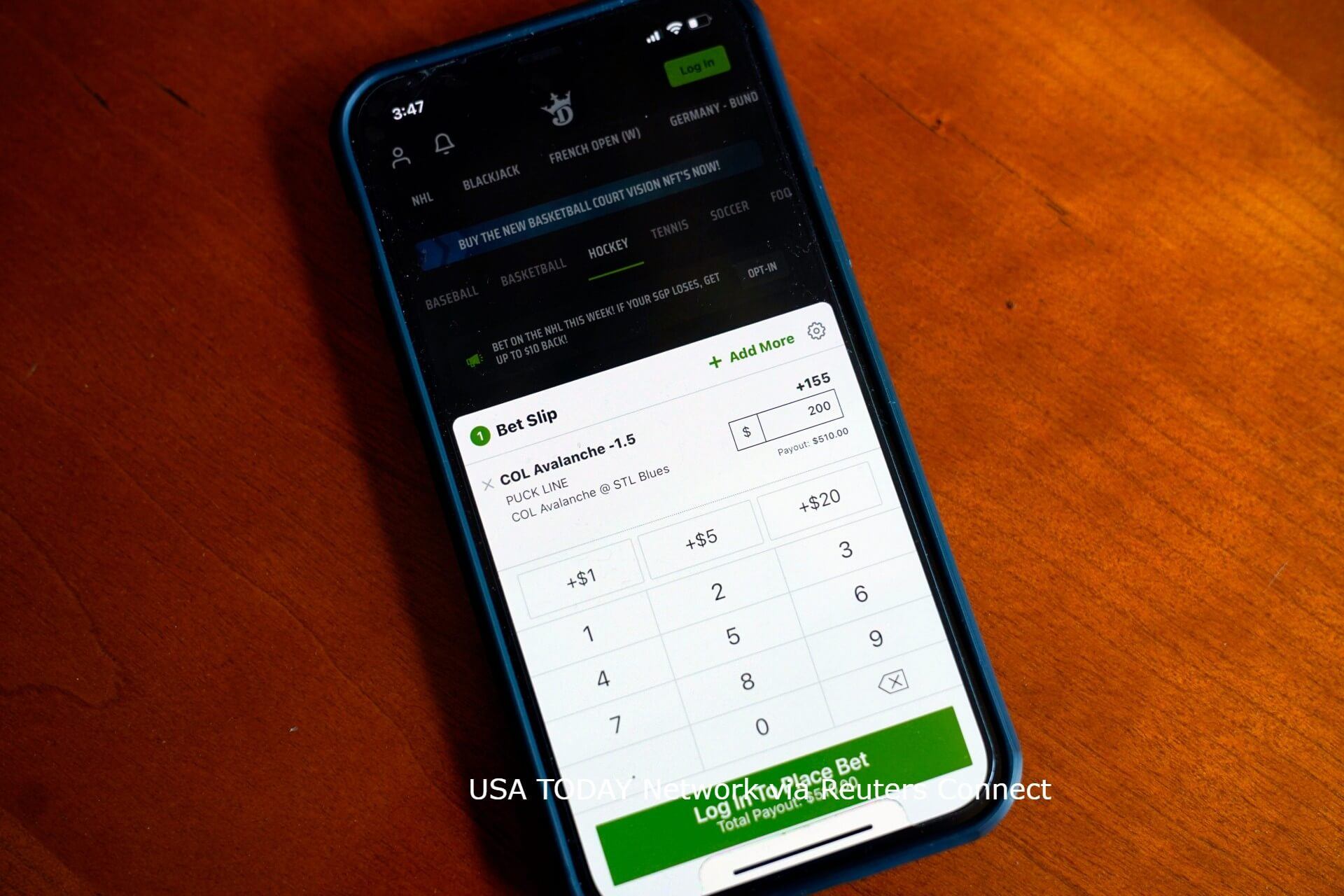
Tennessee sports betting apps for licensed sports wagering, daily fantasy sports, and the state lottery were carved out entirely. The law was never aimed at those products. It targeted the sweepstakes model that had positioned itself as the closest thing to Tennessee casinos that the state allowed, since no legal real-money online casino has ever operated within its borders.
What Comes Next for the Industry
The bigger question is whether operators will simply accept the ban or push back in court. Tennessee has no citizen ballot initiative or referendum process, so there is no path for the public to force a statewide vote against SB 2136. Any reversal would have to come from the legislature itself or from litigation, and lawmakers show little appetite for revisiting a bill that passed the House 69-17 and cleared committee unanimously.
Litigation is the more plausible route, and Tennessee's own recent history offers a preview of how that might unfold. In a separate but related fight, a federal judge granted Kalshi a preliminary injunction against a Tennessee cease-and-desist order targeting its prediction markets, after Kalshi argued its contracts fall under the Commodity Futures Trading Commission's jurisdiction rather than state gambling law. That ruling shows Tennessee's enforcement approach is not invincible when a federal preemption argument is available.
Sweepstakes operators do not have as clean a federal argument as Kalshi did, but the industry is reportedly weighing its options nationally, from lobbying for legalization to converting into licensed real money operators in states that allow it. Whether any of that reaches Tennessee, or whether the state's sweepstakes market simply stays closed, will depend on decisions being made well outside the legislature's chambers.